Ongoing development
Your software is valuable, but maintenance, changes, and retaining knowledge keep asking more of you. 10KB approaches ongoing development structurally: maintenance, expansion, modernization, and quality improvement, with developers who can clearly explain their technical trade-offs.
Direct contact with a fixed team that really gets to know your software and takes it further.
Reprioritize every month: maintenance, features, or technical improvement
Scale up or down flexibly, cancellable monthly.

When ongoing development fits
Does this fit your situation?
Ongoing development fits when your software still delivers value, but you want to work more professionally, predictably, or stably.
A familiar pattern is maintenance that keeps swallowing more time, changes that turn out more unpredictable, suitable developers for your stack becoming harder to find, or freelancers who are flexible but do not build lasting context. It also brings calm when your internal team lacks the capacity to get everything done, and a fixed external team can cover the gap.
Looking three months ahead usually does not work so well when it comes to features. What you do know is that you want a team you can rely on: people who think along and keep building.
Schedule an introduction
Explore each question
Which type of ongoing development fits?
For organizations that first want an objective second opinion on quality, architecture, and the risks of follow-up work.
For software that still has value, but has become too fragile, unclear, or difficult to hand over.
For trajectories where code, data, users, and maintenance need to move to a new foundation in a controlled way.
For organizations that want continuity and shared context through a team that stays involved for longer.
For teams that need extra firepower without losing quality, knowledge sharing, or alignment with the existing codebase.
First understand where you stand
Codebase analysis
For organizations that first want an objective second opinion on quality, architecture, and the risks of follow-up work.
From choice to execution
The form differs, the foundation does not
Whether the question is analysis, modernization, migration, or extra development capacity, we first want to know where the greatest value and the greatest risk sit. Only then can you decide which improvements are needed now and which quality and operational measures need to run structurally alongside them.
This makes clear which work is needed and how we will maintain quality and manage the software.
Development process
What you get
More confidence in your software
We keep things manageable even when changes come in. We stay on top of releases, dependencies, error handling, and operational risks, and make sure maintenance does not keep getting postponed.
Under the hood we improve the technical foundation so every change needs less analysis and has less chance of rework or regressions. A clear structure, clear interfaces, and code you can explain again are key. Every change goes through automated tests and quality checks, so critical parts stay protected.
When growth puts pressure on the application, we find where bottlenecks appear and which changes are needed to handle more users, data, or peak load.
We map technical, operational, and security risks, then make mitigating measures concrete. Where needed we improve access control, secure headers, dependency management, audits, and security by design.
We design and implement new functionality in a way that fits your existing software, business processes, and long-term goals. New parts are rolled out in a controlled way, without unnecessarily burdening the existing foundation.
Sometimes further growth is stuck because of outdated architecture, data, an integration, deployment, or frameworks that no longer keep up. We help modernize those parts in a focused way when that adds value.
Operational management
Stability, monitoring, and maintenance
We keep things manageable even when changes come in. We stay on top of releases, dependencies, error handling, and operational risks, and make sure maintenance does not keep getting postponed.
Collaboration
Reprioritize every month
Many organizations know they need structural support for their software, but not yet exactly which work will matter most in three or six months. Therefore we work with a monthly Glossary · In briefretainerA retainer is an ongoing agreement in which a client regularly reserves a service provider's capacity for recurring work, such as software maintenance, support or development.Read more model.
Before the end of each month we decide together which work needs doing and how much time is available: maintenance, bugfixes, features, security, performance, or technical improvements. You pay only for the hours we actually work and see exactly where the time goes. Intellectual property and infrastructure stay in your organization's name.
Budget & pricing
They really think along and do not just build whatever is asked.

Esther Radder
Workplanner Product Manager at SGI Compliance Nederland
It is the first time I experience software development as simple, transparent, and measurable.

Viktor Mirovic
Owner at TasteIndex
10KB thinks proactively. When there is a smarter way to approach something, we hear that honestly.

Remco Blewanus
IT Manager at Livit
They take ownership of the code and think along about safeguarding functionality and developing new things in the existing application.

Roos Rietveld
Director at Planned Culture
Continuity
A fixed team that builds context
Our team combines deep technical knowledge with years of practical experience in business-critical software. That counts when performance, data, integrations, or architecture cannot be fixed with a standard solution, but need systematic analysis and a thoughtful approach.
You have direct contact with the people who build, without a project manager in between. For incidents, releases, and new wishes that brings calm, because the team knows the context and can make better choices.
Meet our team
Our work
Ongoing development that delivers structural value
Examples of collaborations where we further developed existing software, stabilized it, and prepared it for further growth.
Go to our case studies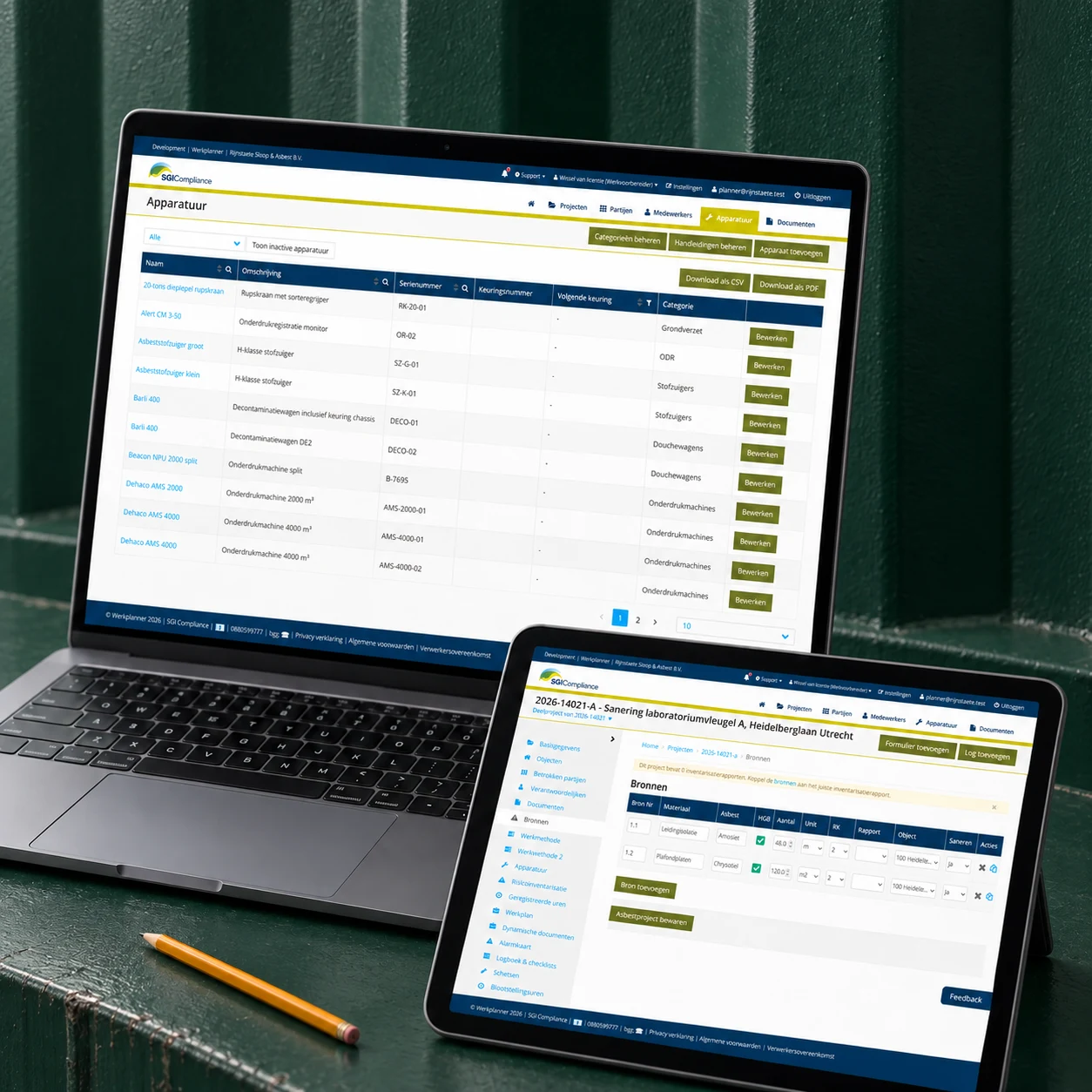
Frequently asked questions
With ongoing development we invoice for time actually worked. Total cost depends on the state of your application, how broad the collaboration is, and which work has priority at that moment. Upfront we agree on capacity, reporting, and where we focus. For a realistic estimate we often need an introduction or technical inventory. About the hourly rate: call Ewout on 0246690518; he will explain how it works.
Yes. And for many teams that is exactly why they choose this deliberately. Together we periodically decide where the greatest value sits: maintenance, bugfixes, new functionality, security, performance, analysis, or technical improvement.
We map technical debt and risks, make the codebase more changeable, and use checks such as code reviews, tests, type safety, and monitoring. That way we estimate changes more sharply and regressions surface faster.
Yes. A small change often works well to see how the collaboration runs. We handle those small adjustments carefully, because with existing business-critical software the impact can be large when quality, context, or testing is missing.
We use preventive measures: automated formatting and linting, type safety where that fits, structural code reviews, and extra attention (for example pair programming) on complex changes. That keeps code consistent, finds errors earlier, and grows knowledge in the team. More detail is in our working method.
Yes. You can adjust the collaboration volume every month, depending on need, priority, and availability. You pay only for hours actually worked, and you see exactly what was done.
We work iteratively with short cycles and regular alignment on priorities and progress. That keeps visible what is happening, what the next step is, and why that choice makes sense at that moment.
Then we keep it simple and transparent. Contracts are cancellable monthly, intellectual property stays with you, and infrastructure is in your organization's name. We assume good work binds clients, not lock-in.
Then we say so. Sometimes focused modernization is enough, sometimes redevelopment is more rational because the technical foundation structurally blocks further growth. We help make that trade-off concrete, without steering you by default toward endless continuing or rebuilding everything from scratch.
Is your question not listed here?
Get in touch