Maintenance and support
The software is running, but production lacks calm. 10KB addresses that with structural maintenance, monitoring, hosting, and support for live software that a lot depends on.
Hosting on manageable, reproducible infrastructure
Monitoring for errors, performance, and availability
Clear agreements on incident response, support, and ongoing development

Distinct from ongoing development
Keep your software reliable after launch
With maintenance and support, we keep your application reliable after launch.
In many engagements we combine maintenance with ongoing development, for example when you want stability and also regularly need new features or technical improvements. Sometimes continuity in production matters more than new features or major changes. Then we narrow the collaboration to Glossary · In briefmonitoringMonitoring systematically tracks software, infrastructure or processes through measurements and checks. Deviations can trigger alerts so an administrator can investigate.Read more, maintenance, incidents, and operational assurance. After go-live, work can move into a Glossary · In briefretainerA retainer is an ongoing agreement in which a client regularly reserves a service provider's capacity for recurring work, such as software maintenance, support or development.Read more or a management and ongoing-development phase, with clear expectations on both sides.
Schedule an introduction
Explore each question
Which type of maintenance and support fits?
For organizations that want explicit agreements about response times, priorities, and communication around disruptions.
For software where errors, performance issues, and unusual behavior need to become visible sooner and easier to explain.
For cloud environments, access, and infrastructure that need to stay reliable, reproducible, and transferable.
For teams that want to follow known risks actively and roll out patches in a controlled way.
For organizations that want to organize deployments, acceptance, and changelogs more clearly around live software.
Agreements for production issues
SLA and incident management
For organizations that want explicit agreements about response times, priorities, and communication around disruptions.
From focus to safeguards
Set up maintenance and operations
Knowing whether the focus belongs on Glossary · In briefSLASLA stands for service level agreement: an agreement between a customer and provider about the service, its agreed level and how that level is measured.Read more, monitoring, hosting, or release management is the first step. After that comes the practical setup: which signals you want to see, how updates and incidents are handled, who has access, and how the environment stays transferable.
That keeps maintenance and support from remaining a loose set of topics. Instead, you get an operating model where continuity, communication, and technical measures reinforce each other.
Our agreements
What we safeguard
What maintenance and support consists of
Staying healthy is not only about incidents. Updates, dependency management, configuration management, and periodic checks belong just as much to day-to-day operations.
We monitor logs, performance, exception tracking, and uptime, among other things. That way you pick up disruptions faster, without follow-up having to lean on gut feeling.
Depending on the situation we work best effort or make more formal agreements on response times, priority, and follow-up for production issues.
We align regular maintenance in advance. Critical security patches we apply in a controlled way, with clear communication.
We approach hosting clearly and manageably, with version control as standard, and transferable where needed. Where we can, we define infrastructure as code. That makes environments reproducible and more consistent, so changes, risks, and handover stay more manageable.
Accounts, access, and infrastructure are in your organization's name from the start. Documentation and tooling stay explainable, so you are not dependent on a single party or person.
After go-live a project can continue calmly in maintenance and support, or scale toward ongoing development. Upfront we align which approach fits usage, adoption, and the speed you want.
Keeping it healthy proactively
Preventive maintenance
Staying healthy is not only about incidents. Updates, dependency management, configuration management, and periodic checks belong just as much to day-to-day operations.
Technical foundation
Ownership and transferability
Everything we take on as an assignment stays yours. That is why accounts, access, and the entire infrastructure are always in your company's name.
The hosting setup matches what the system needs for reliability, maintenance, and security. Who invoices is not the most important thing. The setup must be transparent, manageable, and transferable. Therefore we define Glossary · In briefinfrastructure as codeInfrastructure as code (IaC) is a practice in which infrastructure is described in configuration files and created and managed using software.Read more where possible, so changes, risks, and handover are easier to steer.
How we work
10KB is a reliable and knowledgeable partner for maintaining and facilitating IT services.

Roos Rietveld
Director at Planned Culture
When there are problems, they get in touch proactively.

Remco Blewanus
IT Manager at Livit
Just honest, fast communication and quality you can build on.

Stefan Kroesbergen
Owner at Getsby
We are often positively surprised by things that were arranged without us having to ask.

Antoon Scheffers
IVBB
After go-live
From delivery to management
When we also handle the delivery phase, the step to maintenance and support is not a separate project. The team already knows the Glossary · In briefcodebaseA codebase is the collection of source code used to build and maintain a software product or component.Read more, architecture, and way of working.
That means no separate knowledge transfer is needed at the end. Monitoring, maintenance, and support connect directly to how the system was built and rolled out. No grey area where nobody quite knows who picks up what.
In practice you get a phased transition with a concrete plan, not a hard cut on the delivery date.
Development process
Our work
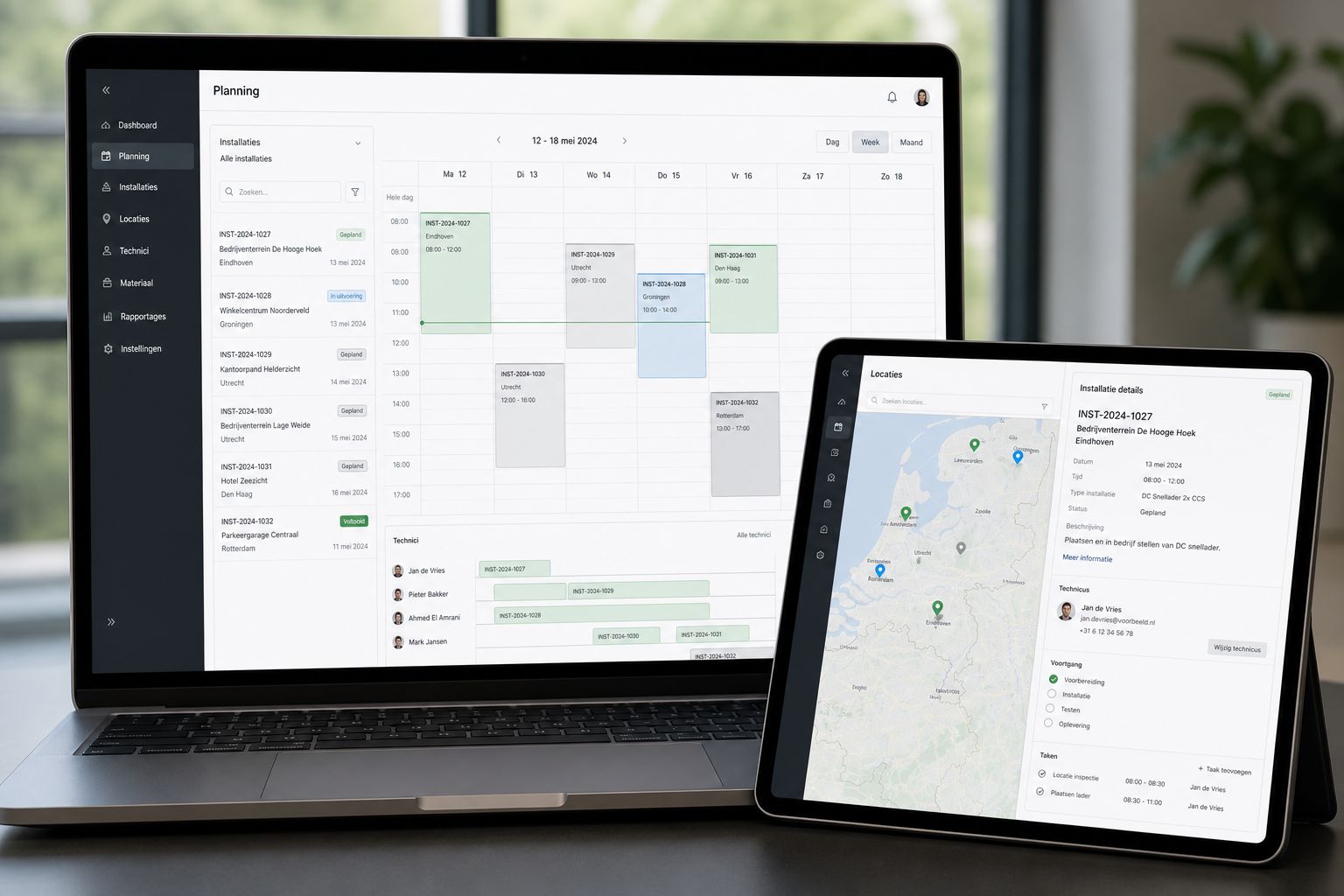
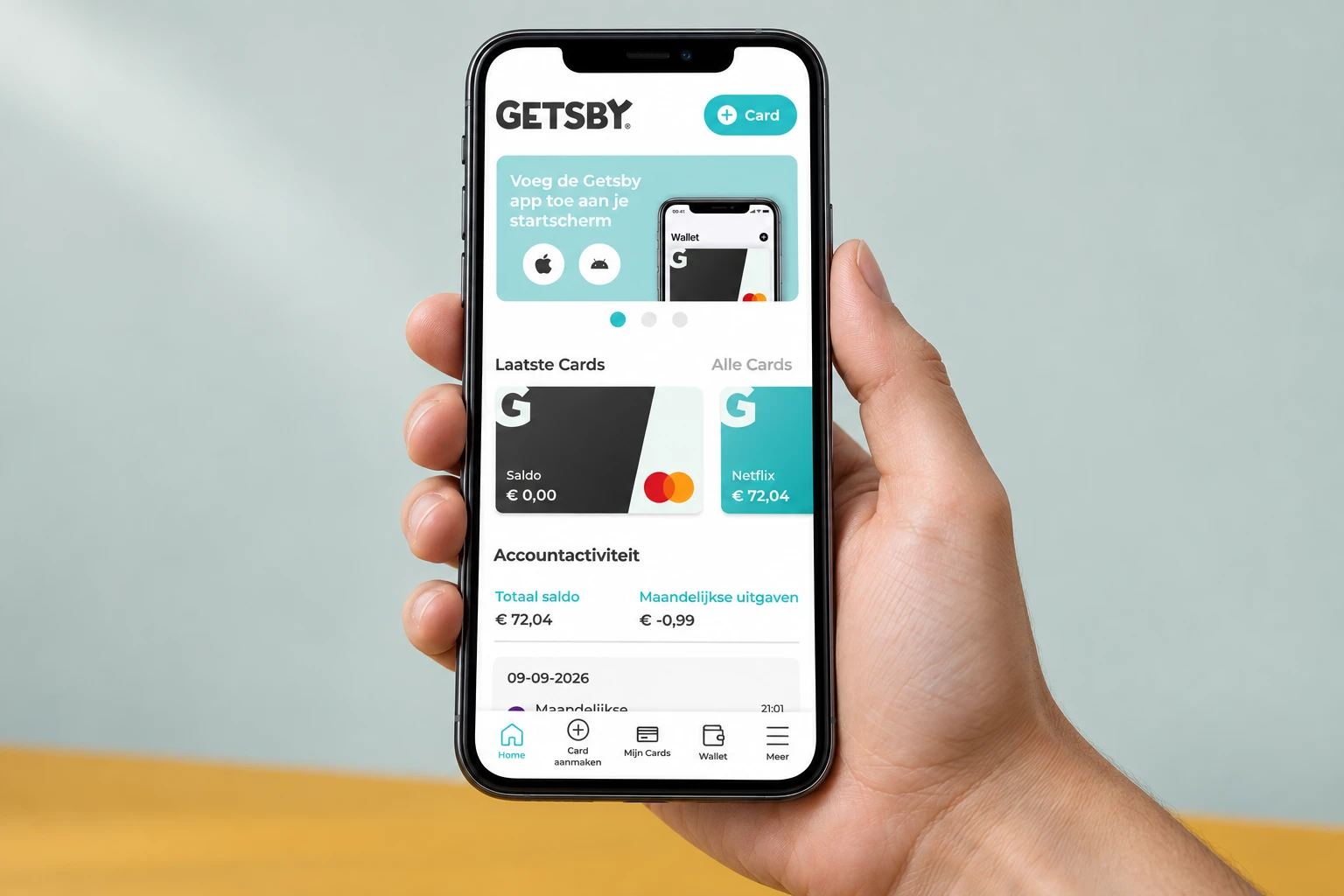
Maintenance and support in practice
Examples of projects where monitoring, preventive maintenance, and incident follow-up were essential to keep live software reliable.
Go to our case studies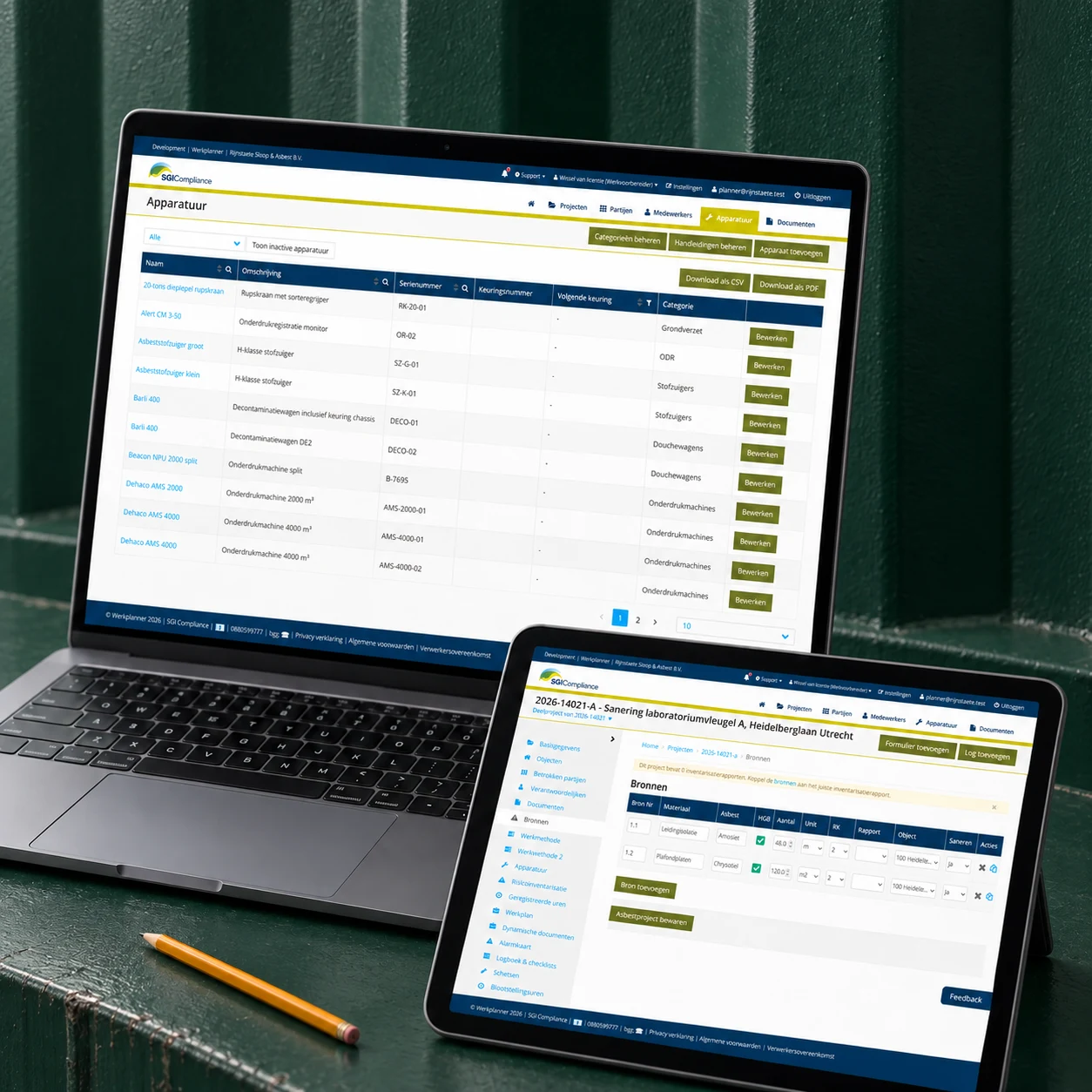
Frequently asked questions
Ongoing development focuses on monthly work on maintenance, expansion, modernization, and quality improvement. Maintenance and support mainly emphasizes continuity in production: monitoring, preventive maintenance, incidents, and operational assurance. Many organizations combine both, but sometimes only maintenance and support is needed.
Yes. We also step in with existing applications from other parties, provided we can first map the current situation properly.
Maintenance work includes updates, checks, monitoring follow-up, backups, configuration management, dependency management, and small stability improvements.
When we also handle the delivery phase, we plan the transition from the start. In the final three months before handover we focus on code reviews and technical decisions, so our team gradually takes over quality assurance. We document the handover date, milestones, responsibilities, and acceptance criteria in a plan we can adjust as progress and risks change. That way no separate knowledge transfer is needed at the end of the project.
No. We almost always choose to keep hosting in the client's name. We can certainly set it up. Transparency, manageability, and transferability weigh heavier than who invoices.
Not necessarily. Sometimes best-effort follow-up within regular maintenance or ongoing development fits better. With stricter requirements, more formal agreements on response times and follow-up can make sense.
Where that is relevant, yes. You do not want only us to see signals, you want performance, errors, and availability issues to stay explainable and something you can keep talking about.
Yes. Many projects continue after delivery in maintenance and support, or grow into ongoing development when besides stability structural further development is also needed. Often with monthly capacity that fits usage, adoption, and desired speed.
Is your question not listed here?
Get in touch