Feature flags for gradual rollouts
Roll out functions in phases instead of all at once
Switch modules or access per audience
Intervene quickly without rolling back a complete release

Role in delivery
More control over when something is truly live
We use Glossary · In brieffeature flagA feature flag is a setting that enables or disables software functionality without another code deployment. It can apply to all users or a particular group.Read more when keeping control over Glossary · In briefreleaseA release is an identifiable software version prepared to be made available to users. It brings together one or more checked changes.Read more matters and new functionality does not need to become visible to everyone at once. A technical change can already be shipped while still being deliberately hidden for commercial, operational, or customer-group reasons. That creates room to roll out gradually, reduce risk, and learn faster without every release exposing everything straight away.
Feature flags explained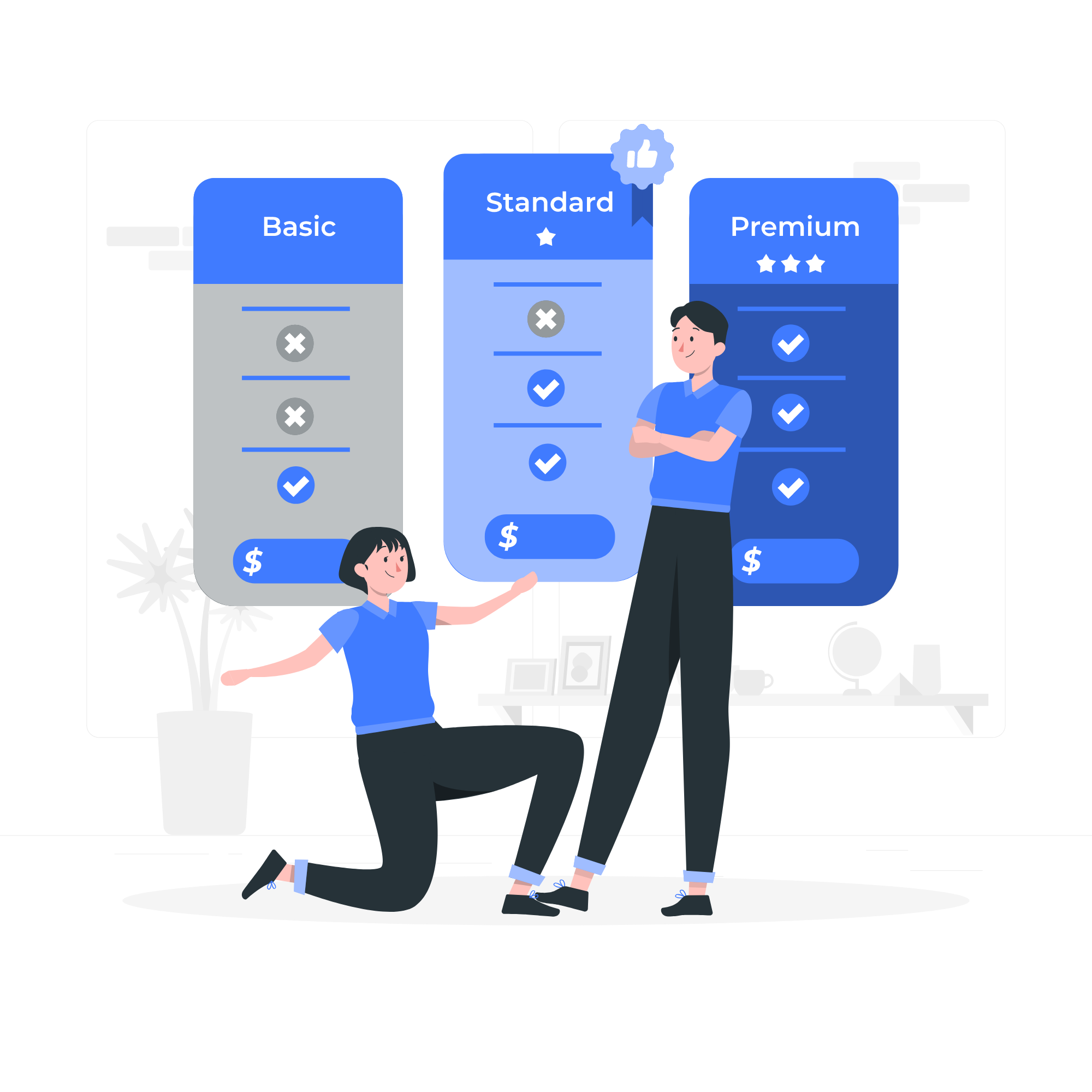
What it solves in practice
Why feature flags are useful
You can first open a feature to a smaller group and only roll it out more broadly later. That makes feedback loops and controlled launches safer.
Feature flags help activate functions per customer, role, or subscription. That is especially useful in products with multiple audiences or expandable propositions.
When a new function causes trouble, you do not need to roll back a complete release straight away. You can disable the specific functionality in a targeted way.
Not everything has to go live at once
Gradual rollout
You can first open a feature to a smaller group and only roll it out more broadly later. That makes feedback loops and controlled launches safer.
When it fits
What feature flags require in maintenance
Feature flags are especially useful in software that changes often, serves multiple audiences, or is sold in a modular way. At the same time, they also add complexity. Every flag introduces extra paths in behavior, testing, and maintenance. That is why they are most valuable when a product really benefits from phased rollout or module logic. In the public SGI Compliance case, you can see that clearly in a module system that made it possible to add new functionality in a controlled and commercially sensible way.
View the SGI Compliance case
What feature flags do well
They make controlled rollout possible without opening everything at once.
They help steer functions per audience, customer, or module.
They require discipline, because extra flexibility also increases maintenance complexity.