A data and reporting platform that makes insight usable
Data only creates value when people can use it to steer. A data and reporting platform helps bring data sources, dashboards, exports, and analysis together in software that does not only display information, but also keeps clear where that information comes from and how it should be used.
Data sources, dashboards, and reporting in one connected line
More control over definitions, access, and data quality
Built for operational usage and future extensions

When this fits
When data is hard to combine and compare
A data and reporting platform is the right fit when information comes from several systems, reporting still requires too much manual work, or users rely on different definitions and separate overviews. At that point you do not only need more dashboards, you need a stronger foundation underneath the data itself.
That is also what separates a single report from a platform. You want clarity about which sources come together, how data is processed, and who may view or export which insights.
What it often includes
From source to dashboard
Many data platforms start with collecting, cleaning, and structuring information from several systems. That requires explicit models and integrations, so reporting does not rest on loose assumptions.
Reporting only has value when people can act on it. That is why we look at dashboards, filters, exports, and usage scenarios that fit the decisions teams really need to make.
As soon as several teams or customers depend on the same data, permissions and definitions become important. You want to provide insight without losing context, origin, or reliability.
A strong data and reporting platform can grow with new sources, extra dashboards, or shifting operational questions. That requires a technical foundation that stays easy to reason about.
Bring multiple sources together
Data models, integrations, and processing
Many data platforms start with collecting, cleaning, and structuring information from several systems. That requires explicit models and integrations, so reporting does not rest on loose assumptions.
Our approach
First understand which decisions the data needs to support
We do not start with a chart, but with the use behind it. Which questions should teams be able to answer, which sources are leading, and where do spreadsheets, exports, and manual interpretation still conflict today? Only then can you design a platform that truly helps people steer.
The TasteIndex case shows why complex data needs to be presented clearly. Users need to be able to read results and understand how they were calculated.
View the TasteIndex case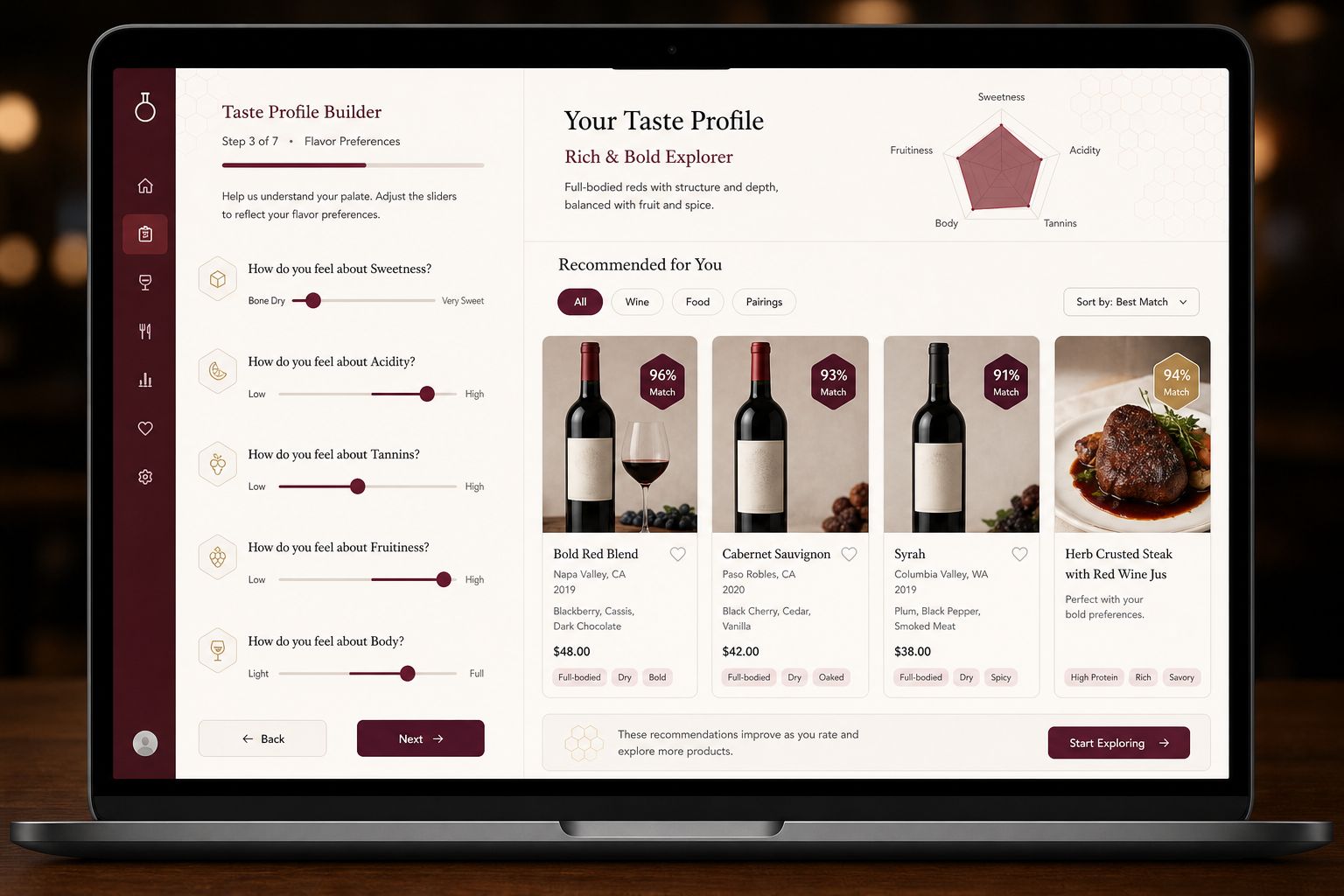
What this gives you
Better cohesion between data sources, dashboards, and reports
More control over definitions, permissions, and reliability
Less manual work around exports and interpretation
A data platform that can grow with new questions