01
Collect access and knowledge
We talk to you and, where possible, the current developer. We collect accounts, source code, documentation and explanations of daily processes. We check which access and existing rights still need to be arranged.
Your freelancer is leaving, your supplier has less time available or you want more people to know the code. We review your existing Ruby on Rails software and agree on a plan for handover, stabilisation and continued collaboration.
Review access, documentation and rights first
Share knowledge with the developers working on the code
Use existing behaviour as the starting point

Existing Ruby on Rails software
Taking over a Ruby on Rails application starts with establishing what we can actually maintain. We collect access to the repository, hosting, database, deployment and external services. Together, we examine the rights to existing code and licences. Documentation and explanations from the current developer help us understand business logic and exceptions.
We then run the application in a development environment and examine dependencies, tests, security and releases. We document which risks need attention first, who is responsible during the handover and when responsibility can pass to us. Missing access or unclear rights must first be resolved with you and the supplier.
The initial work focuses on stabilisation: making important processes verifiable, enabling recovery and addressing urgent problems within the agreed scope. Its cost and extent depend on the code and available knowledge.

Technical considerations
We have worked with Ruby and Rails since founding 10KB in 2013. For existing applications, we examine Ruby and Rails versions, gems, database migrations and background jobs. Separate frontend components also matter: what do they add, and what maintenance do they require? Rails conventions help when they fit your workflows; we assess departures from them for their effect on future upgrades.
SGI Compliance · Werkplanner
SGI Compliance wanted a company with several Ruby on Rails developers for Werkplanner. We gradually took over development. The developer who had known the application for years remained involved during the transition and reviewed our changes. Existing tests helped us check its behaviour while learning the business processes.
Several developers now know the application. We work directly with SGI on configurable forms, project documents and releases. We are gradually moving separate Vue components to Hotwire and Stimulus; that modernisation is still in progress. Handover, maintenance and technical choices stay connected to everyday use.
Explore the case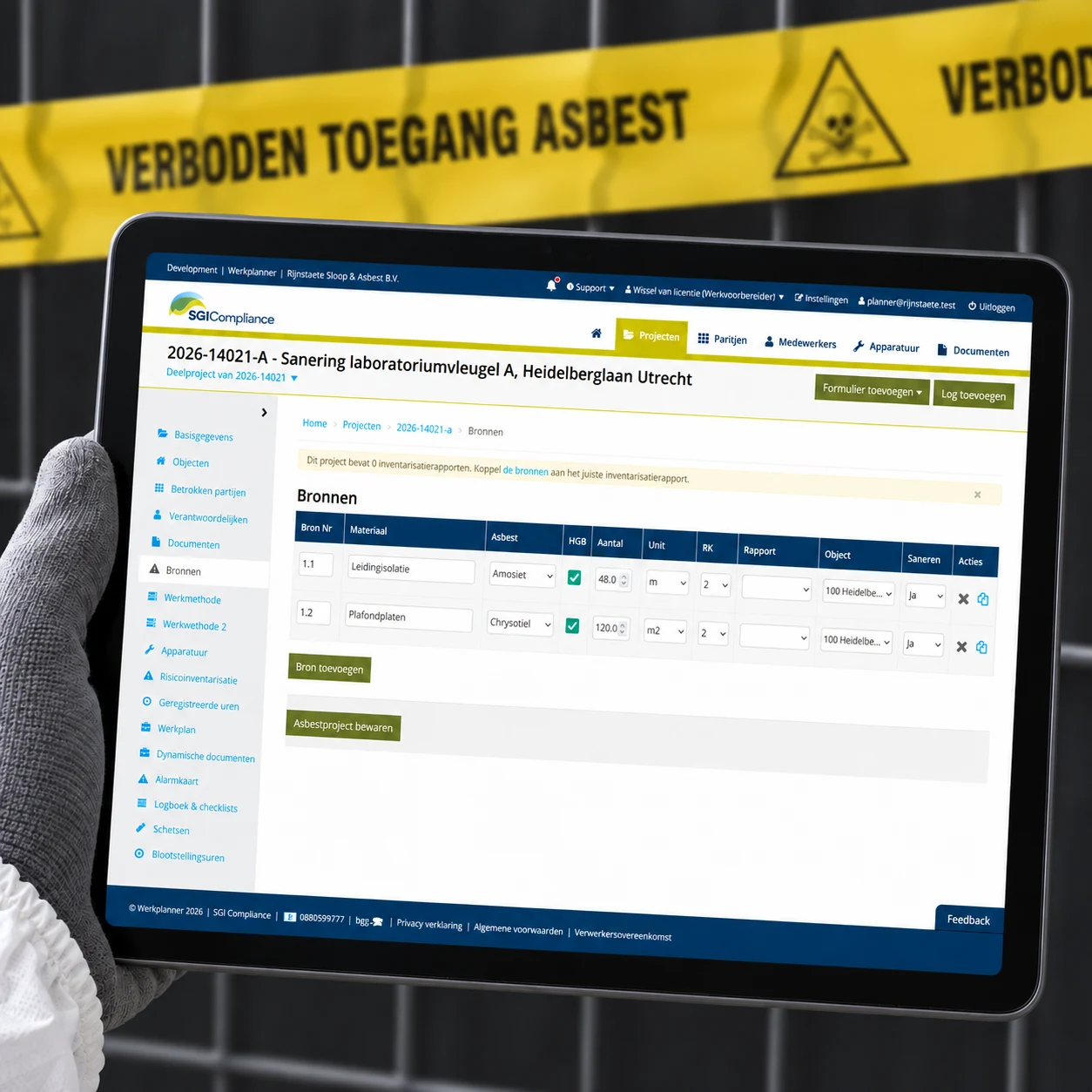
Healthcare software · Smartfile
Adding features had become increasingly risky in Smartfile’s existing Rails software. Access to patient records needed particular attention. We improved the authorisation foundation, requiring access to be granted explicitly.
We inventoried existing functionality for automated tests and automated the deployment process. A second environment let the team roll back if a deployment went wrong. This shows why improving existing software involves testing and delivery alongside the features you want to add.
Explore the case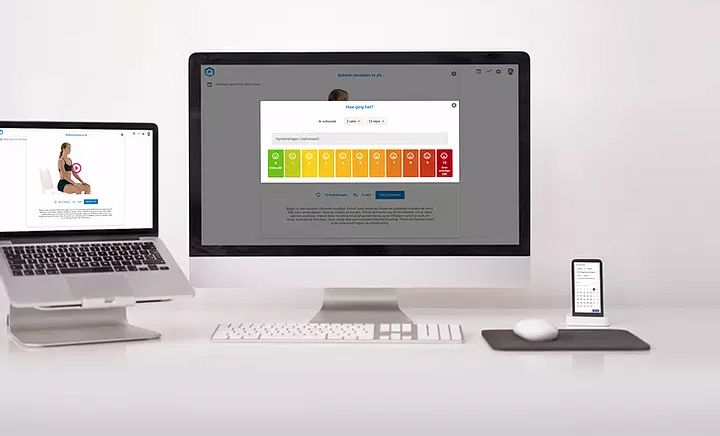

Esther Radder
Product manager for Werkplanner at SGI Compliance Nederland

Antoon Scheffers
IVBB

Toon Van Dooren
Lead innovation engineer at Savvii Managed Hosting

Viktor Mirovic
Owner of TasteIndex
A company of developers
Apart from Bas in sales and Linda in operations, everyone at 10KB is a developer. We don't employ project managers, designers or marketers. Software development is our craft, and our company is built around it.
You explain your requirements to the people writing the code. We make the technical choices understandable: what are the options, and what does each mean for reliability, security, costs and maintenance? You don't need to be a programmer to take part in those decisions.
Together, we choose what best fits your challenge. We keep considering those trade-offs throughout development, as usage grows, requirements change or a simpler solution becomes possible. Coordination, planning and explanation are part of our developers' work.
How direct contact with developers works
Ewout Kleinsmann and Roland Boon
Ewout and Roland were already programming together as students. That led to the founding of 10KB in 2013. They still do what brought them together: build software.
They contribute to all our projects every day. Their working day revolves around code: programming, reviewing colleagues' work and making technical decisions. When you discuss your software with them, you're talking to people who help build the solution themselves.
Ewout guides projects from the first outline through to delivery, keeping an eye on how the parts work together. Roland sets the technical direction and focuses on code quality, security and maintainability. You'll find them working alongside the other developers.
Meet the whole team
Agreements before the first line of code
Where a cost guarantee is agreed, the pessimistic estimate in the proposal sets the maximum for unchanged functionality and assumptions. If the work takes less time, you pay for the hours actually worked. We estimate new requirements separately.
We fix faults arising from our original development at no extra charge within the agreed scope and warranty period. The proposal specifies that period. We also agree on aftercare in advance: how to report problems and who handles them.
We address delivery findings from an agreed independent security audit at no extra charge within the agreed audit and project scope. The guarantee covers fixes to the delivered solution. New security requirements outside those agreements aren't included.
A maximum for an unchanged scope
Where a cost guarantee is agreed, the pessimistic estimate in the proposal sets the maximum for unchanged functionality and assumptions. If the work takes less time, you pay for the hours actually worked. We estimate new requirements separately.
Your investment, your software
We always transfer copyright in the custom code we develop for you. You can develop the software further, build an internal team or continue with another supplier.
We make that practical too, with access to the source code, documentation and necessary accounts. Wherever possible, hosting and external services are registered in your name. Third-party libraries and services remain subject to their own licences and terms.
For existing code, we check the rights and agreements with the previous supplier with you. Our copyright transfer concerns the custom code we develop.
You stay with us because the collaboration works. Your software doesn't tie you to us.
Our intellectual property agreementsWorking on your application
01
We talk to you and, where possible, the current developer. We collect accounts, source code, documentation and explanations of daily processes. We check which access and existing rights still need to be arranged.
02
We try to run the software locally, examine releases and recovery and inventory technical risks. You receive a proposal for handover and initial stabilisation, including scope, assumptions and budget.
03
We agree on the handover point and responsibilities. Within the agreed scope, we address priorities, document knowledge and arrange how maintenance and development will continue.
We are a good fit when your Ruby on Rails software supports important business processes and you need a team that can explain technical choices and contribute over time. On your side, someone needs to know the product, set priorities and review changes with us. If a standard system is sufficient or you also need marketing services, another partner may fit better.
Explore our Ruby on Rails company for collaboration and technology choices.
Their help is valuable: the current developer often knows exceptions that have never been documented. We agree on the knowledge and access needed. If they cannot help, we assess what we can reconstruct independently and explain the additional uncertainty before taking responsibility.
We first assess the code, technology, rights and access. We can then say whether a responsible handover is possible and what it requires. Taking over an application does not automatically mean that every existing fault has been resolved.
We inventory and estimate existing faults as part of the assignment. The software warranty applies to faults arising from our own original development, within the agreed scope and warranty period.
Effort depends on access, documentation, code quality and risks. We estimate the assessment and stabilisation with their assumptions. A monthly retainer around €4,000 may suit ongoing development; this is a guide, not a fixed package or price for every handover.
Ewout

Tell us which Ruby on Rails application you use, who currently maintains it and why you want to switch. We will discuss the handover and the information needed for an assessment. Call +31 24 669 05 18 or email Ewout directly.
CONTACT
Have a question or want to discuss your software? Leave your details and we will get back to you soon.