

Built by 10KB

What does custom software cost?

Commissioning new custom software at 10KB generally starts at around €25,000. We estimate your first version based on features, users and existing systems. You receive an estimate with clear assumptions and separate one-off and recurring costs.

  • New builds generally start at around €25,000, not a fixed package

  • Estimates for each part with assumptions and risks

  • Development, integrations, migration and operations shown separately

Colleagues talking in the 10KB office

A starting point for your budget

New builds generally start at around €25,000

This is our starting point for new custom software, not a fixed quote for every possible first version. We first establish what needs to be usable within your budget. Around €25,000 does not mean that every requested feature, integration, data migration and future maintenance is covered.

An internal tool, customer portal or product with its own calculations each involves different work. User roles, process steps, integrations and the quality of existing data determine the scope. We also consider which existing components we can use and which features require custom development.

A retainer of around €4,000 per month may suit ongoing development. It is an agreement about recurring capacity, not the cost of building a complete new application or a mandatory maintenance package. We discuss the capacity required separately.

Request an estimate for your situation
Two 10KB developers reviewing code together

One-off and recurring costs

Which costs need separate budgets?

We estimate features, user roles, calculations, data storage and tests. We also show coordination, any design work, documentation and launch preparation. Together, we choose what the first usable version needs.

Connecting an ERP, accounting system or payment service involves data mapping, error handling and testing. Available APIs and access to a test environment are important assumptions. We discuss external service licence fees separately.

We discuss which data and history must transfer, how complete and clean the records are and how to check the result. A one-off import differs from a transition where the old and new systems temporarily operate alongside each other.

The environment, storage, backups, monitoring and availability requirements determine hosting arrangements. Recurring infrastructure and service costs need their own budget; these are not automatically included in the development budget.

Updates, support and new features require their own agreements on capacity and availability. Fixes under our agreed software warranty and future extensions are different kinds of work. A retainer may suit ongoing development.

One-off development

Building the first version

We estimate features, user roles, calculations, data storage and tests. We also show coordination, any design work, documentation and launch preparation. Together, we choose what the first usable version needs.

Examples to help define your scope

Make your first version specific

An internal planning tool might start with one workflow: entering jobs, assigning them to a colleague and tracking their status. You can then consider reporting, a customer area and additional automation separately.

An order portal with product configuration also needs customer accounts, calculations, order processing and possibly an ERP integration. Zetprofiel's portal further down this page shows how a custom drawing tool and production data shape the engineering work.

These are scope examples, not fixed-price packages or projects we promise to build for around €25,000. We estimate the parts for your situation separately and discuss the range: what we expect, which assumptions apply and where additional work could arise.

We invoice monthly in arrears for hours actually worked. After each sprint, we compare progress with the estimate. Where a cost guarantee is agreed, the stated maximum applies while scope and assumptions remain unchanged.

How scope, budget and pricing work
10KB developers discussing an application's scope

Fintech · Getsby

A payment app with room to evolve

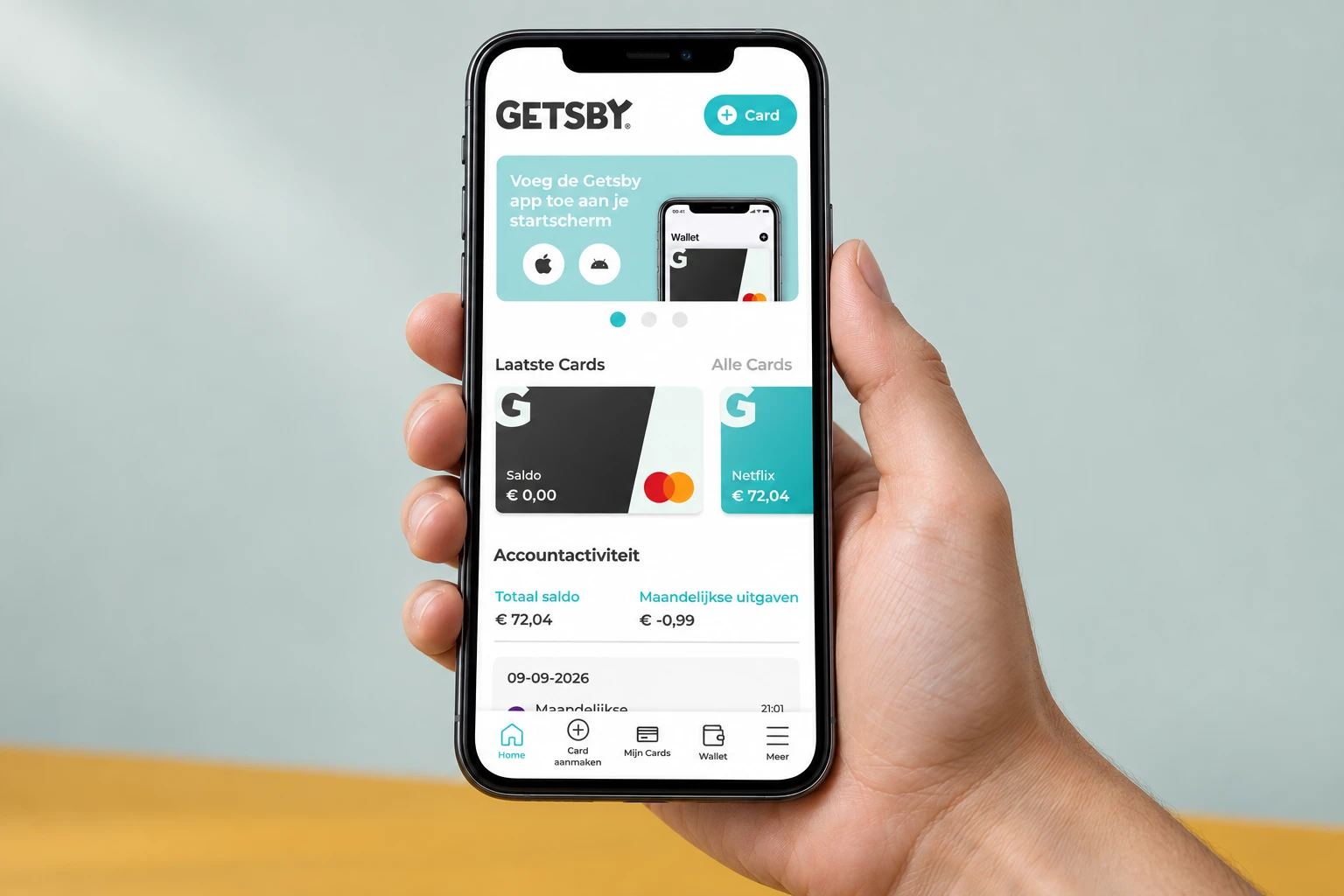
For Getsby, we built an app that lets users buy, top up and manage virtual payment cards. Several financial providers work behind that app. Every movement of money needs to be traceable, including when a payment doesn't go as expected.

We made transactions traceable and structured the integrations so financial providers could be replaced. When a payment route proved insufficiently reliable in practice, we could replace it without rebuilding card management.

Early engineering decisions determine how much freedom you have later. Tests and monitoring help us keep checking that foundation as the product evolves.

Explore the engineering decisions behind Getsby
The Getsby payment app dashboard with virtual payment cards

Manufacturing · Zetprofiel

From a complex profile to a usable work order

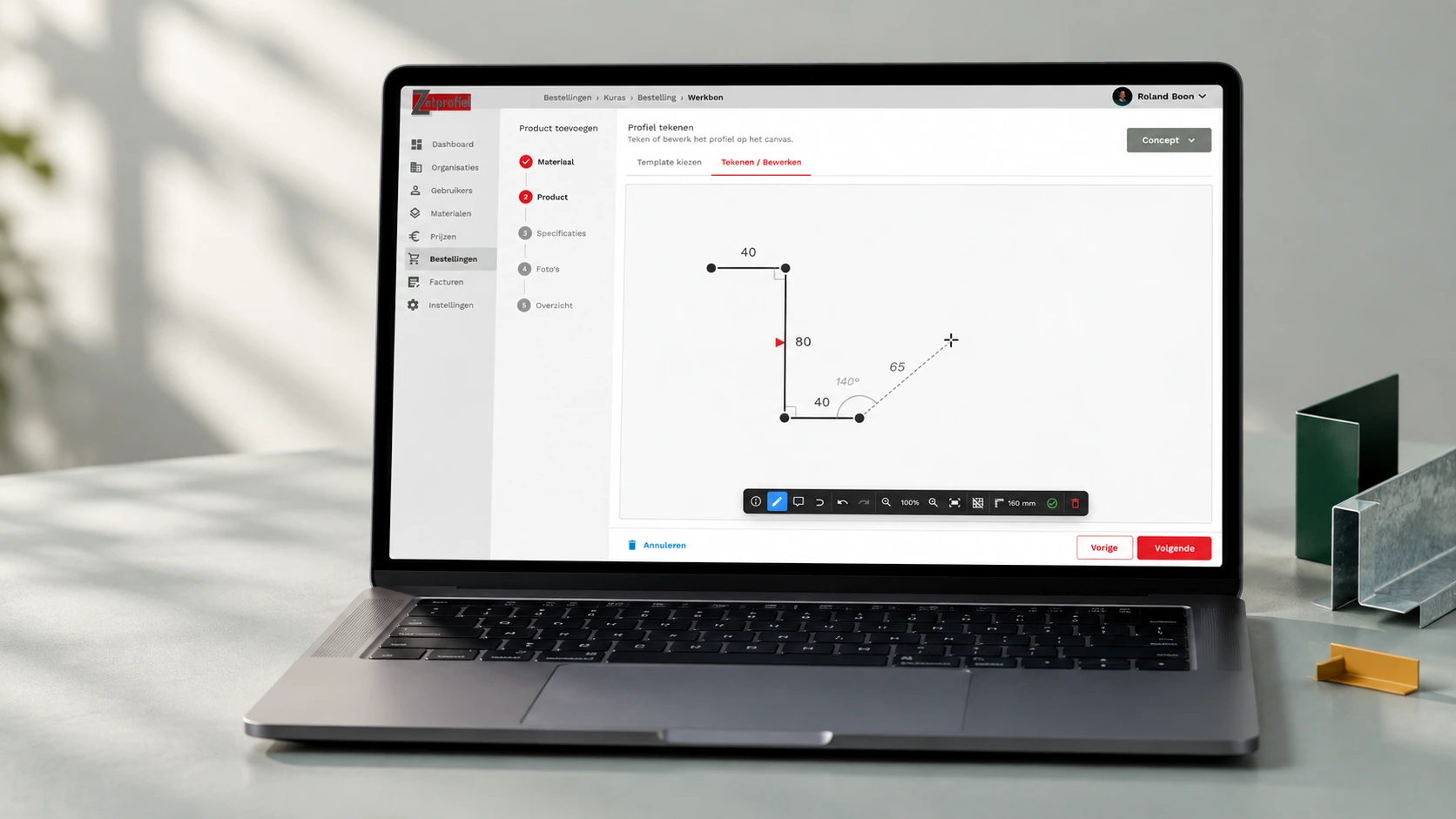
For Zetprofiel, we built an order portal where customers and staff can draw steel profiles and calculate their properties. The software calculates materials, weight and price, then generates a work order for production. It replaces manual redrawing and gathering data from separate sources.

One engineering challenge was the geometry: how do you display dimensions and angles on complex shapes without labels overlapping? And how do you keep the drawing legible on a printed work order?

We separated the calculations from the controls and rendering. That let us add bend corrections later without rebuilding the drawing tool. Together with Zetprofiel, we use real profiles to keep improving the software.

Explore Zetprofiel's order portal
Product presentation of the Zetprofiel order portal showing a drawn profile, material selection and calculations

They really think things through with us and don't just build whatever is asked for.

Esther Radder

Esther Radder

Product manager for Werkplanner at SGI Compliance Nederland

They don't just say yes; they're real sounding boards. Highly competent in their field.

Antoon Scheffers

Antoon Scheffers

IVBB

You've helped us greatly, both as a sounding board and in doing the work.

Toon Van Dooren

Toon Van Dooren

Lead innovation engineer at Savvii Managed Hosting

For the first time, software development feels simple, transparent and measurable to me.

Viktor Mirovic

Viktor Mirovic

Owner of TasteIndex

A company of developers

Talk to the people building your software

Apart from Bas in sales and Linda in operations, everyone at 10KB is a developer. We don't employ project managers, designers or marketers. Software development is our craft, and our company is built around it.

You explain your requirements to the people writing the code. We make the technical choices understandable: what are the options, and what does each mean for reliability, security, costs and maintenance? You don't need to be a programmer to take part in those decisions.

Together, we choose what best fits your challenge. We keep considering those trade-offs throughout development, as usage grows, requirements change or a simpler solution becomes possible. Coordination, planning and explanation are part of our developers' work.

How direct contact with developers works
10KB developers discussing their work at the office

Ewout Kleinsmann and Roland Boon

Two lead engineers at the helm

Ewout and Roland were already programming together as students. That led to the founding of 10KB in 2013. They still do what brought them together: build software.

They contribute to all our projects every day. Their working day revolves around code: programming, reviewing colleagues' work and making technical decisions. When you discuss your software with them, you're talking to people who help build the solution themselves.

Ewout guides projects from the first outline through to delivery, keeping an eye on how the parts work together. Roland sets the technical direction and focuses on code quality, security and maintainability. You'll find them working alongside the other developers.

Meet the whole team
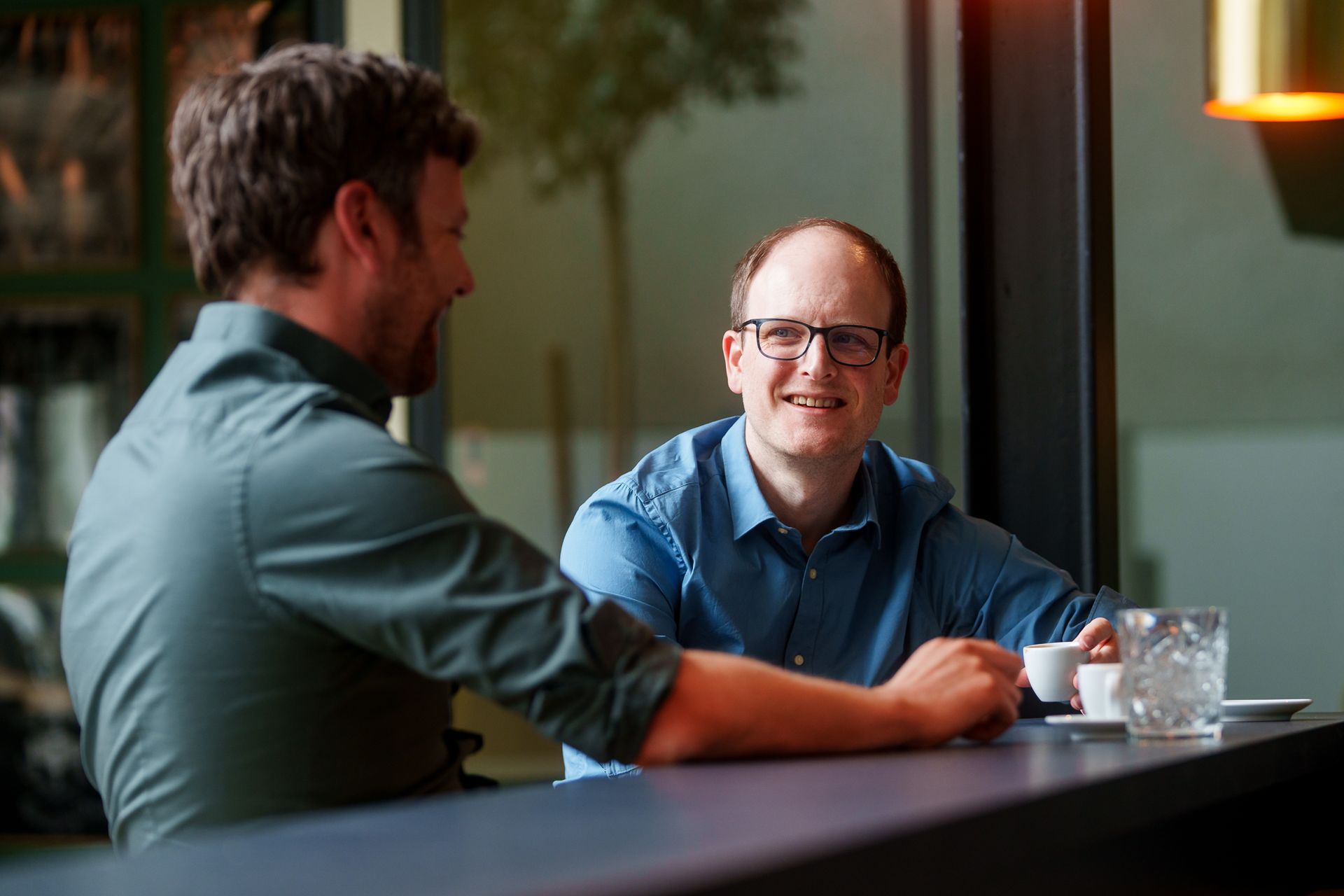
Ewout and Roland talking at the bar in the 10KB office

Agreements before the first line of code

Three guarantees you can plan around

Where a cost guarantee is agreed, the pessimistic estimate in the proposal sets the maximum for unchanged functionality and assumptions. If the work takes less time, you pay for the hours actually worked. We estimate new requirements separately.

We fix faults arising from our original development at no extra charge within the agreed scope and warranty period. The proposal specifies that period. We also agree on aftercare in advance: how to report problems and who handles them.

We address delivery findings from an agreed independent security audit at no extra charge within the agreed audit and project scope. The guarantee covers fixes to the delivered solution. New security requirements outside those agreements aren't included.

A maximum for an unchanged scope

A ceiling on costs

Where a cost guarantee is agreed, the pessimistic estimate in the proposal sets the maximum for unchanged functionality and assumptions. If the work takes less time, you pay for the hours actually worked. We estimate new requirements separately.

Your investment, your software

The copyright belongs to you

We always transfer copyright in the custom code we develop for you. You can develop the software further, build an internal team or continue with another supplier.

We make that practical too, with access to the source code, documentation and necessary accounts. Wherever possible, hosting and external services are registered in your name. Third-party libraries and services remain subject to their own licences and terms.

You stay with us because the collaboration works. Your software doesn't tie you to us.

Our intellectual property agreements
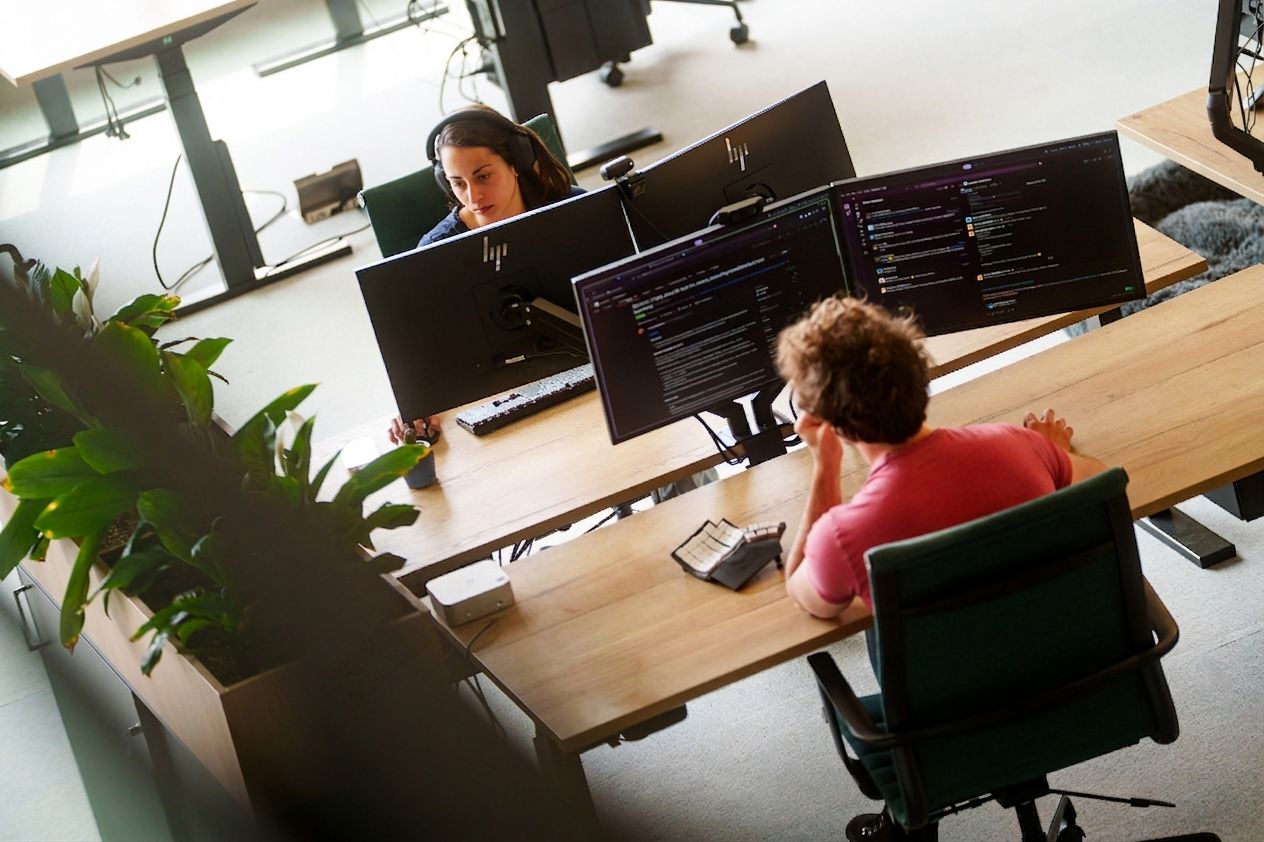
A 10KB developer at work behind a computer screen

From an initial budget question to an informed estimate

Know what your investment can achieve

A budget estimate starts with your plans. Together, we establish what is needed now and which requirements can wait.

01

Discuss processes, users and budget

Tell us who will use the software, which problem you want to solve and what the first version needs to do. Share your indicative budget, intended launch timing and existing systems. Identify important calculations, data and dependencies too.

02

Estimate parts, assumptions and risks

We split the work into features, integrations and any migration. You see what is essential, what can wait and which uncertainties affect the estimate. An unfamiliar API or unclear data quality may require investigation first. We discuss hosting and maintenance separately.

03

Make choices and keep tracking the budget

Together, we choose the first usable version and document the scope and any guarantees. You see working software during development. We compare progress with the estimate, price new requirements separately and agree on ongoing operations and growth.

When should you choose 10KB?

Our strength is software engineering. It is particularly valuable when the technology determines what your business can do and how reliably you serve your customers.

We're a good fit if…

  • Your software is critical to your business. Customers, staff or other systems depend on it. Outages and errors have direct consequences, so availability and recovery deserve attention from the start.
  • You have demanding security requirements. You process sensitive data or financial transactions and want informed decisions about access, data processing and checking that the software works as intended.
  • You want to keep developing for years to come. You need a team that can solve difficult calculations, integrations or scaling challenges while keeping the software understandable and maintainable.

Choose a different approach if…

  • You want a one-stop shop. An agency that also handles your online marketing and designs your business cards is a different kind of partner. We focus on developing and maintaining software.
  • A vibe-coded solution is good enough. Can you build what you need with something like Lovable, and does it meet your requirements? There's nothing wrong with that. You don't need a custom development project when a simpler solution does the job.
  • An off-the-shelf system is a better fit for your project. Think of a large content website with a CMS or a standard online shop. Would Drupal, Magento or Webflow meet your needs? Choose a specialist in those systems. We have no experience with them, and they fall outside our specialism.

Unsure which route fits? We're happy to discuss whether our engineering expertise would add value to your project.

Questions about custom software costs

Ewout

Contact person: Ewout

Request a budget estimate for your custom software

Share the goal, users, main features, integrations, any data migration, indicative budget and intended schedule. We discuss assumptions and a possible first version. Call +31 24 669 05 18 or email Ewout.

CONTACT

Get in touch with us

Have a question or want to discuss your software? Leave your details and we will get back to you soon.